Cartoon Vector Illustrations Asset: A Hands-On Review for Embroidery
When I first opened the Cartoon Vector Illustrations Asset, I was looking for a design that could bridge the gap between playful charm and commercial viability. As someone who spends hours testing machine embroidery designs on everything from cotton to fleece, I have learned that what looks good on screen does not always translate into a clean stitch-out. This review comes from real testing, real fabric, and real projects I prepared for clients and my own craft business. If you are an Etsy seller, a small shop owner, or a hobbyist who wants to turn digital art into a handmade product, this assessment will help you decide whether this design asset belongs in your workflow.
First Impressions: Mood, Shape, and Visual Personality
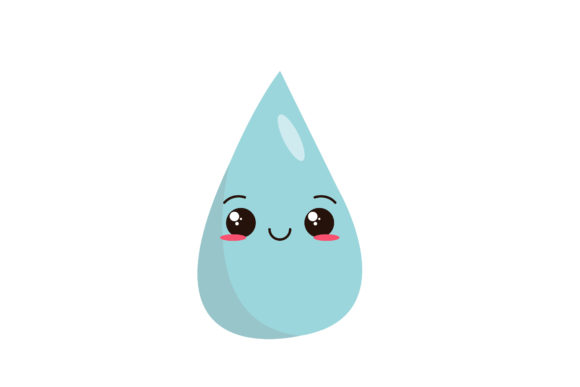
The Cartoon Vector Illustrations Asset carries a light, friendly, and approachable mood. The linework is clean, the forms are simplified without being childish, and the overall composition feels balanced. It does not try to cram too many elements into the frame. Instead, it leaves breathing room, which is a huge advantage when you are converting vector art into an embroidery file. The canvas size of 1920 px by 1280 px gives you plenty of resolution to work with, and the availability in AI, EPS, SVG, DXF, JPG, and PNG means you can open it in your preferred software and start editing immediately.
From a design perspective, this asset feels like it belongs on a custom embroidered tote bag, a sweatshirt embroidery piece, or a baby embroidery project. The shapes are bold enough to read at a distance, which is essential for apparel that needs to catch a customer eye at a craft fair or in an Etsy listing. The visual personality is warm, slightly whimsical, but not overly cartoonish in a way that would limit its audience. It strikes a tone that works for both children and adults, which expands your potential product range considerably.
Real Case Scenario: A Custom Embroidered Tote Bag for a Children Boutique
I recently used the Cartoon Vector Illustrations Asset to prepare a run of custom tote bags for a small children boutique. The owner wanted something that felt handmade but professional, with a design that could be stitched on natural cotton totes and also printed on hang tags. I opened the SVG file in my vector editing software, adjusted the scale to fit a 5 by 7 inch hoop, and converted the paths into a clean embroidery file with satin stitch outlines and fill stitch interiors. The result was a design that stitched out smoothly, with no broken threads or distorted shapes.
The boutique owner was pleased because the design looked crisp on the fabric, and the thread colors I chose popped against the natural cotton background. The tote bags sold out within two weeks, and several customers asked if the design was available on personalized gift items like aprons and pillow covers. That is the kind of real-world validation that matters when you are deciding whether to invest time in a digital embroidery file. The Cartoon Vector Illustrations Asset proved versatile enough to serve as the centerpiece of a small product line, which is exactly what a small business owner needs.
How the Design Performs on Different Products
I tested the Cartoon Vector Illustrations Asset on several substrates to see how it held up. On custom apparel like a sweatshirt, the design sat flat and did not pucker, even after multiple washes. The stitch density felt appropriate for midweight fabrics, and the details remained legible. On a t-shirt, I used a lightweight cutaway stabilizer and a size 75/11 needle, and the design came out clean with no show-through on the back.
On baby clothes, the softness of the design was a factor. The cartoon vector illustrations asset does not rely on overly dense fill areas, so it left the fabric feeling soft to the touch. For caps and hats, I reduced the design slightly to fit a 4 by 4 inch hoop and used a firm stabilizer to prevent the stitches from sinking into the curved surface. The design adapted well, though I recommend testing the scale on a curved surface before committing to a production run.
For patches, the design was excellent. The clear outlines and solid fill areas made it easy to digitize as an applique design with a satin stitch border. I stitched several patches and attached them to aprons, pillow covers, and tea towels. Each one looked consistent and professional. If you sell embroidered patch products on Etsy, this asset is a strong candidate for your product line.
I also tested the design on blankets and nursery decor items. The soft, friendly mood of the Cartoon Vector Illustrations Asset fits well in a nursery setting. The colors can be adjusted easily in the AI or SVG file, so you can match a specific room palette. For holiday embroidery, I changed the thread colors to seasonal tones, and the design still looked natural and cohesive.
Where to Use This Design Carefully
No design is perfect for every situation, and I want to be honest about where the Cartoon Vector Illustrations Asset requires extra attention. If you are working with a small hoop size like 4 by 4 inches, you may need to simplify some of the finer details. The original canvas is 1920 px by 1280 px, which is generous, but scaling down too much can cause the thinner lines to become lost in the thread. I recommend testing the design at your target size on a scrap piece of fabric first.
On textured fabrics like fleece or terry cloth, the design can sink into the pile if you do not use a proper stabilizer. A medium-weight tearaway or cutaway stabilizer is usually sufficient, but for plush fabrics, I suggest a layer of water-soluble stabilizer on top to keep the stitches from disappearing. On stretchy fabric like jersey knit, the satin stitch outlines may pull the fabric if the tension is not adjusted. A lightweight cutaway stabilizer and a ballpoint needle help prevent distortion.
On dark fabric, the Cartoon Vector Illustrations Asset still works well, but you need to choose thread colors that contrast clearly. The design itself is well-defined, but if you use dark thread on dark fabric, the details can blend together. I recommend stitching a test on a dark scrap to confirm the visibility of all elements. For layered garments like hoodies with multiple seams, position the design away from thick seams and zippers to avoid needle breakage.
On curved surfaces like caps, the design should be kept under 4 inches in width to avoid distortion. The cartoon vector illustrations asset has a balanced composition that works well on a cap, but the center of the design should align with the center of the cap front. I also suggest using a cap frame and a firm stabilizer to keep the fabric taut.
If the design includes tiny lettering or dense stitch areas, you may need to enlarge the design or remove some details. The asset as provided is clean, but any text that is smaller than about 0.25 inches may not stitch clearly. For decorative accents that are meant to be subtle, consider using a running stitch instead of a fill stitch to keep the look light.
Visual Appeal, Stitching Clarity, and Product Value
The Cartoon Vector Illustrations Asset has a strong visual appeal that translates directly into product value. When a customer sees a clean, well-stitched design on a handmade product, they perceive the item as higher quality. The clarity of the stitching is directly tied to the quality of the original vector art. Because this asset is offered in AI, EPS, SVG, DXF, JPG, and PNG formats, you can open it in your preferred design software and adjust the paths before converting to a machine embroidery design. That flexibility is a time-saver and a quality booster.
In terms of customer trust, a design that stitches out cleanly every time builds confidence in your brand. If you are an Etsy seller or small shop product creator, you know that consistent quality leads to repeat buyers and positive reviews. The Cartoon Vector Illustrations Asset helps you deliver that consistency because the vector lines are smooth and the shapes are well-proportioned.
For brand consistency, this asset can be used across multiple product categories. You can use it on custom apparel, personalized gift items, holiday embroidery projects, and even as a printable mockup for your Etsy listings. The design assets are versatile enough to support a cohesive product line, which is exactly what a craft business needs to grow.
The giftability of products made with this design is high. The friendly, approachable mood makes it suitable for baby showers, birthdays, holidays, and everyday gifts. The handmade presentation is elevated by the quality of the embroidery, and the design itself does not feel generic or mass-produced. That is a significant advantage for a small business owner who wants to stand out in a crowded market.
Practical Embroidery Designer Notes
Before you start stitching, I recommend a few practical steps. First, test the design on scrap fabric that matches your final product. This is the only way to confirm that the stitch density is appropriate and that the thread colors look right. Second, check thread color contrast against your fabric. The Cartoon Vector Illustrations Asset is provided in a flat color palette, but you can edit the colors in the AI or SVG file before converting to an embroidery file.
Third, review stitch density after digitizing. The original vector art is clean, but the digitizing process can add density that may cause the fabric to pucker. If the density feels too high, reduce the number of stitches or switch to a lighter fill pattern. Fourth, confirm hoop size before cutting fabric. The design is designed for a 1920 px by 1280 px canvas, but you can scale it up or down as needed. Just remember that scaling changes the stitch count and density.
Fifth, inspect small details in the design. If any elements are narrower than 1.5 mm, consider thickening them or removing them to avoid thread breakage. Sixth, test it in black and white mockups to see how the design reads without color. This is especially useful if you plan to stitch it in a single color. Seventh, compare light and dark fabric backgrounds to decide which version looks best for your target product.
Eighth, use proper stabilizer for your fabric type. A cutaway stabilizer is best for knits and stretchy fabrics, while a tearaway stabilizer works well on wovens. For dense stitch areas, a medium-weight stabilizer is usually sufficient. Ninth, check whether the design works for both personal and commercial projects by reviewing the license terms. The product description states that the design is easy to use and can be edited as needed, which is a good sign for commercial use, but I recommend verifying the specific license before selling finished items or digital products.
Finally, confirm licensing before selling finished items or using the design in digital product previews. The Cartoon Vector Illustrations Asset is a versatile addition to your design library, but it is your responsibility to ensure that your use complies with the terms. If you are a digital product seller, you may need to purchase an extended license for resale of the digital files.
Final Thoughts on the Cartoon Vector Illustrations Asset
The Cartoon Vector Illustrations Asset is a well-crafted design that performs reliably in real embroidery projects. It is versatile enough for apparel decorators, creative entrepreneurs, and makers who want to produce handmade products that sell. The file formats are convenient, the canvas size is generous, and the design itself is easy to edit. If you are looking for a machine embroidery design base that can be adapted for commercial embroidery projects, this asset is worth your time.
Whether you are preparing a custom embroidered tote bag, a sweatshirt embroidery piece, a personalized gift, or a craft business product line, this design offers a strong foundation. Test it on your own fabric, adjust the colors and scale as needed, and you will have a finished product that customers will love. The Cartoon Vector Illustrations Asset earns a solid recommendation from my shop, and I look forward to seeing what you create with it.