Kawaii Cute Rainwater Illustrations: A Hands-On Embroidery Review
I spent last weekend locked in my studio, prepping a “Spring Showers” mini-collection for my handmade shop. My goal was to create a line of custom embroidered tote bags and cozy sweatshirts that felt cheerful, whimsical, and perfectly polished. When I came across the Kawaii Cute Rainwater Illustrations, I knew I had to put them through a real-world test. This review is written from the perspective of a designer who actually digitizes, stitches, and sells finished products. I am not just looking at a pretty preview—I am evaluating how these vectors perform when the needle hits the fabric.
Whimsical Mood Meets Embroidery Practicality
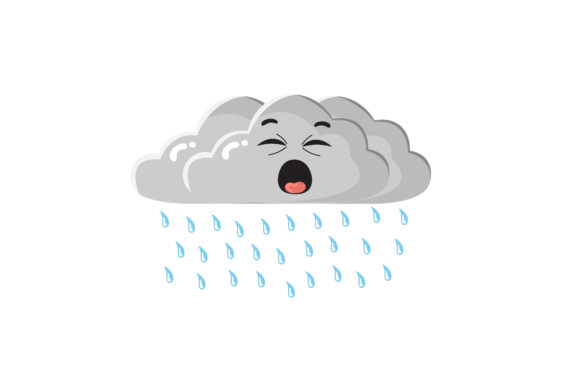
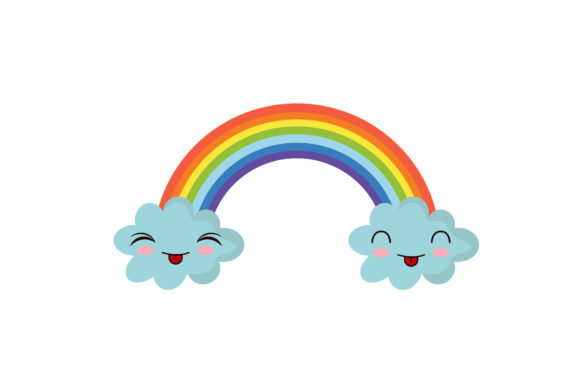
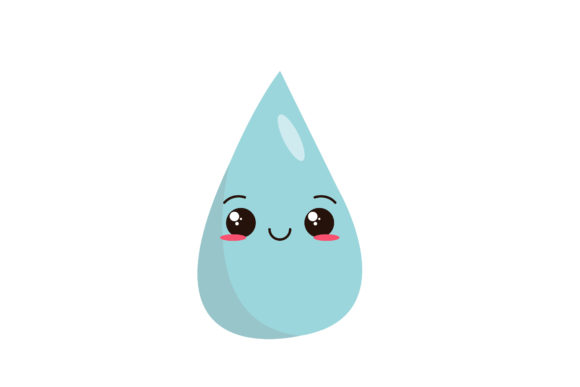
The first thing that strikes you is the undeniable charm of the artwork. The rainwater theme—adorable clouds, smiling umbrellas, cute rain boots, and playful puddles—is executed in a clean, bold kawaii style. For machine embroidery, this is a significant advantage. Overly complex or highly detailed vectors often collapse into a muddy, unrecognizable mess of stitches when digitized. These illustrations, however, rely on clear shapes and distinct outlines, which naturally translate well to satin stitches and fill stitches.
The color palette is soft, inviting, and emotionally warm. It immediately felt like a strong candidate for baby embroidery, children’s apparel, and cheerful home decor items like kitchen towels or pillow covers. But beyond the initial “cute” factor, I was looking for structural integrity. Could this design hold up in a 4x4 hoop? Would it look good on a dark fabric? Would customers actually pay for it? Let me walk you through what I discovered.
Where This Design Shines in Embroidery Projects
After testing several motifs on different fabric types, I found that the Kawaii Cute Rainwater Illustrations excel in a few specific product categories. If you are a small business owner or Etsy seller, these are the applications where this design asset will give you the best return on investment.
- Custom Apparel: Sweatshirts and t-shirts are a natural fit. The playful theme works beautifully on a toddler’s raincoat or a matching family set of tees. The bold shapes ensure the design reads well from a distance, which is critical for apparel.
- Tote Bag Design: I created a custom embroidered tote bag using the umbrella motif. The vector format allowed me to scale the illustration to perfectly fill my 12x12 hoop. The finished product had a high perceived value—exactly the kind of item a boutique customer would confidently purchase as a gift.
- Embroidered Patches: The solid shapes and clean outlines make these designs ideal for patches. You can stitch them out, cut them close to the edge, and sell them as iron-on patches at craft fairs or on Etsy. They stitch out cleanly without excessive jump stitches.
- Home and Gift Items: Consider a set of embroidered hand towels, a whimsical apron, or a personalized baby shower gift. The kawaii aesthetic adds a layer of thoughtfulness and warmth that customers love in handmade products.
The Vector-to-Stitch Reality Check
Here is where the practical designer in me kicks in. The product description clearly states that these are vector files—openable, editable, and resizable without losing quality. This is fantastic for flexibility, but it is crucial to understand that this is not an embroidery file (like a .DST or .PES). You cannot load a vector directly onto your embroidery machine.
Digitizing is required. If you are new to this, I strongly recommend hiring an experienced digitizer or using reliable embroidery software. The clean lines of the Kawaii Cute Rainwater Illustrations will make the digitizing process smoother, but there are still critical adjustments to make. You will need to consider thread color selection, pull compensation for satin stitches, and appropriate underlay to stabilize the fabric. The vector’s color palette is a great starting point, but real thread colors may differ slightly, so always test your thread combinations.
Another significant factor is stitch density. Pay close attention to the raindrops and small details. In a small hoop size, these elements can become overly dense, leading to fabric puckering or a stiff, board-like feel. I recommend testing the design on scrap fabric first. Stitch it out, wash it, and see how it holds up. If the detail is too dense, simplify the design or increase the size slightly.
Fabric Texture and Color Choices
Smooth fabrics like cotton, linen, quality fleece, and denim will showcase the crisp details best. The design relies on clear shapes, so avoid highly textured fabrics like heavy slub knits or thick blanket fleece for the smallest motifs. The “cute” details can get lost in the texture.
For dark fabric, pay close attention to thread color contrast. A light yellow cloud with white raindrops will pop beautifully on a navy or charcoal sweatshirt. On a light pink or white background, you may need to use darker outlines to ensure the design remains readable. Always view the vector in black and white before digitizing—this helps you assess whether the silhouette is strong enough to stand on its own.
Commercial Applications and Customer Appeal
For small business owners and creative entrepreneurs, this graphic set is a versatile asset. It is not just about stitching; it is about building a brand. The kawaii aesthetic can become a signature style for your boutique. Using these illustrations consistently across different products—from custom apparel to embroidered hats and home decor—builds instant recognition and trust with your customers.
I also used the vector files to create printable mockups for my Etsy listings. This is a huge time saver. I could list the product idea, gauge customer interest, and take pre-orders before stitching a single item. The vector format made it easy to create clean, professional mockups that looked exactly like the finished product.
Giftability is another major factor. Products embroidered with these designs have a high “cute” factor. They feel like a warm hug, making them perfect for personalized gifts, holiday bundles, and specialty items. Customers are often willing to pay a premium for designs that evoke a strong positive emotional response. The Kawaii Cute Rainwater Illustrations deliver that emotional connection reliably.
Designer Notes for a Flawless Finish
Before you use this design for your next machine embroidery project, here are a few practical tips I have learned from my own testing:
- Check the License: Confirm the commercial use rights. Can you sell the finished physical product? Can you use it on Print-on-Demand (POD) sites? Do not assume; always verify the licensing terms before selling finished items.
- Test Scale: What looks adorable on a 12-inch screen might be overwhelming on a baby onesie or too small on a large tote bag. Print the vector to actual size and place it on the garment to gauge the proportions. The vector format makes resizing incredibly easy, but you must plan ahead.
- Stabilizer is Your Friend: For stretchy fabrics like t-shirts, use a high-quality cut-away stabilizer. For sturdy fabrics like tote bags, a tear-away stabilizer might suffice. The integrity of the satin stitches depends heavily on the foundation you provide.
- Inspect Small Details: If you are working with a small hoop, consider simplifying the design. A few well-placed raindrops will look better than a dense cluster that causes puckering.
- Hoop Size Matters: Confirm your hoop size before committing to a particular layout. The vector can be resized, but you want to ensure the final stitch out fits comfortably within your machine’s capabilities.
Final Thoughts on the Design
The Kawaii Cute Rainwater Illustrations offer a genuinely charming and commercially viable aesthetic for embroidery professionals and hobbyists alike. It requires a step of digitizing to go from vector to embroidery file, but the clean, bold design philosophy makes it a strong candidate for a wide range of projects. Whether you are stocking an Etsy shop, preparing for a craft fair, or creating a personalized gift, this set provides the creative foundation needed to produce a polished, high-quality, and highly desirable finished product. Just remember to test, stabilize, and scale wisely. Your customers will thank you for the attention to detail.