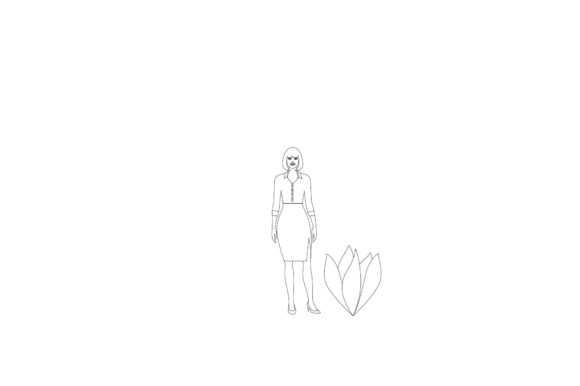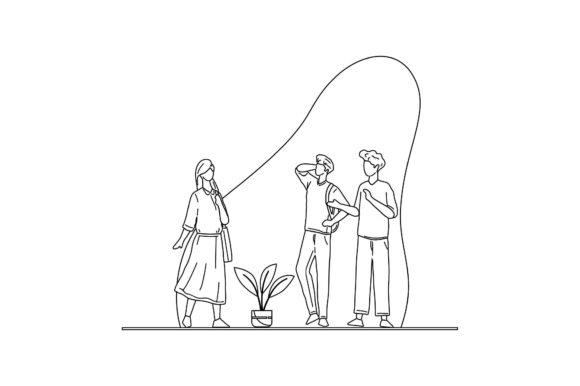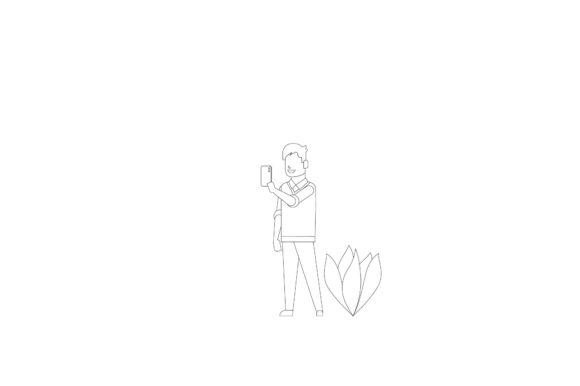
Person Line Illustrations: Graphics for Modern Sellers
When you spend your days building digital product shops, you learn to spot a versatile graphic design asset within minutes of opening the file. Person Line Illustrations caught my attention during a late-night search for fresh clipart to expand my Etsy sticker collection. I needed something that could work across multiple product types without feeling repetitive or generic. What I found was a vector set that carries a clean, contemporary aesthetic with just enough personality to attract buyers looking for minimalist but expressive visuals. The line art style feels approachable, modern, and adaptable—qualities that matter when you are preparing listings for print-on-demand platforms, digital downloads, and handmade merchandise.
This article walks through my evaluation of Person Line Illustrations as a commercial design resource. I share where it shines, where it needs careful handling, and how you can test it before committing to a full product launch. Whether you sell SVGs, PNG designs, sublimation designs, or Canva templates, this review offers practical insights from someone who has published hundreds of listings using similar illustration sets.
First Impressions and Visual Personality
Opening the vector files for the first time, I noticed the line weight consistency across every figure. The illustrations use a uniform stroke thickness that creates a cohesive look when you place multiple characters together. That consistency is a strong advantage for sellers who build themed bundles or seasonal collections. The mood sits somewhere between playful and elegant—the figures have a gentle, hand-drawn quality but maintain enough structure to feel intentional and polished. This balance makes the set suitable for both feminine product lines and unisex merchandise.
The niche appeal here is broad. You can use these illustrations for branding materials, social media graphics, and small business branding projects because the style does not scream any particular trend. It avoids the overly cute or cartoonish look that can limit a design asset to only children-focused products. Instead, the line art feels mature enough for wedding invitations, home decor prints, and professional packaging design while remaining approachable for sticker design and t-shirt graphics. That versatility is rare in clipart bundles, and it immediately signaled to me that I could test this set across several product categories without forcing the style.
Real Shop Scenario: Testing for Etsy and Print-on-Demand
For my evaluation, I pretended I was preparing a new product collection for my Etsy shop and a sister store on Creative Fabrica. I started by pulling three figures from the set and placing them into a simple product mockup for a mug design. The line art scaled cleanly because the files are vector-based, so I could enlarge a character for a bold single-image mug or shrink multiple figures for a pattern layout. The resizing worked without any loss of quality, which is exactly what you need when you are creating products in different dimensions.
Next, I tested the illustrations on a white background and a dark background. On white, the lines stayed crisp and readable. On dark, I noticed that the default black strokes needed an adjustment. I switched the stroke color to white or a light gray, and the figures popped nicely against deep backgrounds. This is a common workflow for t-shirt design and sublimation design, so it is worth noting that the set requires a simple color inversion step for dark merchandise. That is not a flaw—it is standard practice with line art—but it is something to check before you batch-produce mockups.
I also created a quick Canva template using the figures as decorative elements. The SVG files imported smoothly, and I could edit the stroke colors directly within Canva. That ease of use matters if you sell Canva templates to small business owners who may not have vector editing software. The illustrations work well as accent graphics in social media templates, blog graphics, and promotional visuals. They do not overwhelm the text, which is a common problem with highly detailed clipart.
Where Person Line Illustrations Works Best
Based on my testing, this graphic design asset performs strongest in products where the line art can serve as a focal point or a repeating motif. Here are the categories where I would confidently use it:
- SVG products and cut files: The clean lines make these illustrations suitable for Cricut projects and Silhouette machines. I tested a figure on a simple vinyl cut, and the lines separated cleanly without excessive weeding.
- Printable wall art and home decor: The minimalist style fits modern interiors. A single figure paired with a thoughtful quote makes a strong gallery wall print.
- Sticker design and planner stickers: The line art translates well to kiss-cut and die-cut stickers. The figures work as decorative accents in planner layouts.
- T-shirt graphics and apparel: The illustrations scale nicely for chest prints or small back designs. The line weight holds up on fabric.
- Mug design and drinkware: A single figure wrapped around a mug feels intentional and not overcrowded. The line art style works with both ceramic and sublimation blanks.
- Invitation templates and greeting cards: The figures add a personal touch without dominating the layout. They pair well with serif font and script font styles for a refined look.
- Social media graphics and brand identity: The illustrations can serve as consistent visual elements across a brand’s Instagram posts, website images, and packaging design.
The set also works well in product bundles. I created a test bundle combining three figures with a set of hand-drawn borders and a display font. The cohesion across the bundle felt professional, and the perceived value increased because the illustrations tied everything together visually. For sellers who create design bundles for creative marketplaces, this is a strong advantage.
Where to Use Caution
Every graphic design asset has limitations, and Person Line Illustrations is no exception. I found a few scenarios where the set needs careful handling:
- Tiny sticker details: When scaled down below one inch, the line weight becomes thick relative to the size. Fine details in the figures may lose definition. For small planner stickers or tiny logo elements, test the size on a real print before listing.
- Overly complex layouts: Because the illustrations are line art, they can get lost in busy backgrounds or cluttered compositions. Use them as standalone elements or in layouts with ample white space.
- Low-resolution print products: The vector files are resolution-independent, but if you export them as PNG for a product that requires high DPI, verify the export settings. A low-resolution PNG will show jagged edges on the lines.
- Crowded thumbnails: In marketplace listings, a thumbnail with multiple small figures may not read well at a glance. For your main listing image, feature one large figure to create visual hierarchy.
- Dark backgrounds without testing: As I mentioned earlier, the default black strokes need adjustment for dark substrates. Always preview the design on the actual product color before publishing.
- Text-heavy templates: The illustrations work best when they have room to breathe. In layouts with dense paragraphs, the figures may feel disconnected. Use them as section dividers or accent graphics rather than full-page backgrounds.
Practical Seller Notes Before You Publish
Before you turn this set into a sellable product, take these steps to ensure quality and customer satisfaction. First, test the design on real mockups. Do not rely on a generic mockup generator alone. Print a sample on the actual product type you plan to sell, whether that is a mug, a shirt, or a sticker sheet. Check the line sharpness, the color contrast, and the overall readability. A mockup that looks perfect on screen can reveal issues in production.
Second, preview the design as a marketplace thumbnail. Shrink your main image to the size it will appear in search results. If the illustration becomes unclear or the details disappear, reconsider your composition. Thumbnails drive clicks, and a muddy thumbnail will hurt your click-through rate. For Person Line Illustrations, I found that a single figure centered on a light background created the strongest thumbnail.
Third, check how the design looks on both white and dark backgrounds. If you sell products in multiple colors, you need versions that work on each. For dark backgrounds, invert the stroke colors or add a subtle outline. For light backgrounds, the default black strokes are usually sufficient, but test a gray stroke option as well—it can soften the look for certain products.
Fourth, verify PNG transparency if you are selling digital downloads. Export your figures with a transparent background and check for any ghosting or rough edges around the lines. Buyers expect clean PNG files for their own projects, and jagged edges will lead to refunds or negative reviews.
Fifth, inspect SVG cut quality if you sell Cricut projects. Run a test cut on your machine. Check that the lines are thick enough to cut cleanly without tearing. Thin lines in an SVG can cause the vinyl to rip during weeding. The line weight in this set is generally sufficient, but it is always smart to test on a scrap piece of material first.
Sixth, organize your files clearly for customers. Name each figure descriptively, and include both SVG and PNG formats. Add a simple preview sheet so buyers can see all the characters at a glance. Clean file organization builds trust and reduces support questions.
Seventh, pair the illustrations with appropriate font styles. During my testing, I combined the figures with a serif font for a classic look, a sans serif font for a modern feel, a script font for a feminine touch, a handwritten font for a casual vibe, and a display font for bold statements. Each combination changed the overall mood. Choose fonts that match the brand identity of your target audience. If you sell to wedding planners, lean toward serif and script. If you sell to tech startups, use sans serif and display fonts.
Finally, confirm the commercial licensing terms before you sell finished products. This set is a commercial design resource, but each marketplace and creator may have specific restrictions. Read the license carefully. Understand whether you can sell unlimited products, whether you need to attribute the designer, and whether there are caps on sales volume. Ignoring licensing terms can get your shop suspended.
How This Set Supports a Professional Product Collection
Building a professional online shop requires consistency across your listings. Buyers trust shops that present a cohesive visual identity. Person Line Illustrations can serve as a unifying element across multiple product categories. You can use the same figures on your Etsy product listings, your social media graphics, your packaging design, and your brand identity materials. When a customer sees the same illustration style on your Instagram post, your product thumbnail, and your packaging insert, they perceive a higher level of polish and intentionality.
The set also helps with visual storytelling. A single figure in a relaxed pose conveys a mood. A group of figures arranged in a scene tells a story. For sellers who create themed collections, this ability to evoke emotion through simple line art is valuable. You can build a collection around self-care, community, productivity, or celebration using just the figures and a few complementary design elements. The illustrations provide the emotional anchor without requiring elaborate backgrounds or complex compositions.
From a business perspective, investing in a versatile graphic design asset like this reduces the time you spend searching for new clipart for every product launch. When you have a set that works across sticker design, t-shirt design, mug design, and printable wall art, you can plan multiple product releases from a single asset. That efficiency is critical for sellers who run multiple shops or manage a high volume of listings.
Final Thoughts on Person Line Illustrations for Digital Sellers
After testing this set across several product types and platforms, I can say that Person Line Illustrations offers genuine value for digital product creators who sell on Etsy, Creative Fabrica, Shopify, or print-on-demand sites. The line art style is on-trend without being fleeting, the vector files are clean and editable, and the figures carry enough personality to differentiate your products from generic clipart bundles. The set is not a one-size-fits-all solution—you need to test it on your specific products and adjust colors for dark backgrounds—but the flexibility it provides makes it a worthwhile addition to your design assets.
If you are preparing a new product collection or refreshing an existing shop, consider how this set could support your brand identity. Start with a single product category, test the design on real mockups, and observe how customers respond. The best design assets are the ones that feel like a natural extension of your shop’s voice. Person Line Illustrations has that potential for sellers who value clean, modern, and emotionally resonant visuals.