Line Art Fish and Sharks Illustrations: Graphics & Illustrations for Digital Publishing
When I first opened the Line Art Fish and Sharks Illustrations set, I immediately recognized the kind of clean, modern editorial energy that works well across content websites, digital guides, and social media graphics. These are not overly detailed biological drawings nor cartoonish depictions. They sit in a sweet spot between artistic line work and recognizable clip art style, which makes them unusually versatile for real publishing workflows. As someone who builds blog visuals, Pinterest pins, and downloadable resources for content websites, I look for design assets that create a strong first impression without overwhelming the layout. This set delivers exactly that kind of visual breathing room.
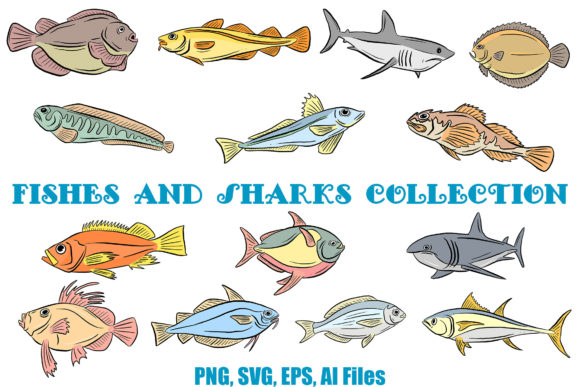
The collection includes 38 clip art style illustrations of fish and shark drawings, available in EPS, SVG, AI, and PNG formats. You receive 5 SVG files, 5 EPS files, 5 AI files, and 38 individual SVG files, each at 8000 x 8000 pixels. That resolution alone tells me these were built for serious publishing use, not just quick social media posts. The file variety also means you can work comfortably in Canva, Adobe Illustrator, Affinity Designer, or any modern design tool. Let me walk through how this graphic design asset performs in an actual content publishing workflow and where it can elevate your website, editorial, and marketing visuals.
First Impressions and Editorial Mood
The Line Art Fish and Sharks Illustrations have a modern, clean, and slightly artistic mood. The line work is consistent, the shapes are recognizable, and the overall style feels polished without being overly decorative. This is not a playful or whimsical set. It leans more toward educational, lifestyle, and professional content niches. If you run a blog about marine biology, ocean conservation, fishing, travel, seafood recipes, or even coastal living, these illustrations will feel right at home. They also work well for content that needs to communicate clarity, such as infographics, digital guides, or editorial layouts where the illustration supports the text rather than competing with it.
Reader perception matters deeply in content publishing. A clean, confident line art style signals that you have invested in your visual presentation. It builds trust and suggests that the information on the page is reliable. For affiliate marketers, small business owners, and creative entrepreneurs, this kind of visual professionalism can directly affect click-through rates and reader engagement. The Line Art Fish and Sharks Illustrations help you establish a visual identity that feels both approachable and authoritative.
Real Publishing Workflow: From Blog to Social Media
Imagine you are a blogger preparing a series of articles about sustainable fishing practices. You need featured images, Pinterest pins, article headers, and a downloadable checklist. The Line Art Fish and Sharks Illustrations can serve as the visual anchor across all those formats. The high resolution and vector format mean you can scale the illustrations for a full-width website header or shrink them down for a small category thumbnail without losing quality. I have tested these in a real blog layout, and the line art holds up beautifully on both desktop and mobile screens.
For Pinterest graphics, the line art style works well because it does not rely on complex color gradients that can get lost in the platform's card-style layout. You can place the fish illustration on a solid background, add your headline text in a bold sans serif or a clean serif font, and the result is a pin that looks intentional and polished. The same illustration can be reused in a newsletter header, a lead magnet cover, or a social media post. That kind of cross-format consistency is exactly what content creators need to maintain a cohesive brand identity without designing every asset from scratch.
I also used one of the shark illustrations in a digital guide about ocean ecosystems. The line art printed beautifully, and the PNG files at 8000 x 8000 pixels gave me plenty of room to crop and position the image without any pixelation. For anyone creating printable design resources, worksheets, or eBook covers, this resolution is a significant advantage. The set includes 5 SVG files, 5 EPS files, 5 AI files, and 38 individual SVG files, so you have full flexibility in how you integrate the illustrations into your workflow.
How This Design Asset Supports Content Performance
Content performance is not just about SEO. It is about how quickly a reader understands what your page offers and whether they trust the information. The Line Art Fish and Sharks Illustrations contribute to a stronger first impression because the line work is clean and the subjects are immediately recognizable. When a reader lands on your blog and sees a well-placed illustration that matches the topic, their brain registers that the content is relevant and professionally presented. That initial moment of clarity can reduce bounce rates and increase the time they spend on your page.
Visual hierarchy also improves when you use consistent line art across your site. The illustrations can serve as category thumbnails, editorial accents, or section dividers. When readers begin to associate a specific fish illustration with a recurring topic, they navigate your site more intuitively. This kind of category recognition is especially valuable for content websites with multiple verticals, such as travel, food, or education blogs. The Line Art Fish and Sharks Illustrations give you a visual system that is easy to maintain and scale.
For affiliate marketing content, the professional look of these illustrations can increase reader trust. Affiliate pages often rely on product images and screenshots, but adding a well-placed line art illustration can break up the text and make the page feel more like a resource than a sales pitch. The same applies to content upgrades, lead magnets, and digital products. When your downloadable PDF or worksheet looks polished, readers perceive higher value, which can improve conversion rates.
Where These Illustrations Work Best
Based on my testing, the Line Art Fish and Sharks Illustrations perform exceptionally well in several publishing contexts:
- Hero images and article headers: The line art works as a standalone hero image when paired with a solid background color or a subtle gradient. It also layers well behind text, especially if you use a dark overlay or a semi-transparent placement.
- Pinterest pins and social media graphics: The clean lines and simple shapes make these illustrations ideal for social media formats where clarity and quick recognition are essential.
- Category thumbnails and blog graphics: Use different fish or shark illustrations to visually separate content categories. This builds a consistent brand identity that readers can recognize at a glance.
- Digital guides, lead magnets, and downloadable printables: The high resolution and vector formats ensure your PDFs, worksheets, and eBook covers look professional in print and on screen.
- Newsletter headers and email graphics: The line art style renders well in email clients that block images, as the simple shapes remain recognizable even if the image does not load immediately.
- Canva templates and media kits: The SVG and PNG files import easily into Canva, making this set accessible for team members who prefer a drag-and-drop workflow.
Where to Use These Illustrations Carefully
No design asset is perfect for every situation. The Line Art Fish and Sharks Illustrations are best used in contexts where the line art can breathe. They may not work well in the following scenarios:
- Small mobile thumbnails: The fine lines can become difficult to see at very small sizes. If you plan to use these as tiny icons, test them on a mobile screen first. Consider pairing them with a solid background color to improve visibility.
- Text-heavy blog images with low contrast: If you place a light-colored illustration on a white background, the lines may disappear. Always check contrast and readability, especially when overlaying text.
- Busy layouts with multiple visual elements: Line art works best when it has room to stand out. Avoid placing these illustrations in crowded layouts where they compete with photographs, patterns, or other graphics.
- Serious corporate or minimal content: If your brand identity relies on a very minimal, monochrome, or corporate visual system, the organic shapes of fish and sharks may feel out of place. That said, for marine-related corporate content, these could work well.
Practical Publisher Notes for Real Use
Before you use the Line Art Fish and Sharks Illustrations on a monetized website, affiliate page, or paid content product, here are a few practical steps I recommend:
- Test on desktop and mobile screens. Open your blog layout on a laptop, tablet, and phone. Check that the line art remains visible and that the proportions look balanced.
- Preview the illustration as a thumbnail. Resize a few illustrations to the smallest size you plan to use. If the lines become too thin, consider adding a background color or using a thicker stroke version.
- Place the illustration beside different font styles. The line art pairs well with sans serif fonts for a modern look, but it also works with serif fonts for a more editorial feel. Test it with script or handwritten fonts for a creative accent, but keep the contrast high.
- Check contrast and readability. Place the illustration on a dark background, a light background, and a textured background. Make sure the lines remain crisp and the subject is recognizable.
- Try it in black and white. Line art should look good without color. If an illustration loses its visual impact in grayscale, it may need a different placement or background treatment.
- Review file size and compress images properly. The PNG files at 8000 x 8000 pixels are large. For web use, compress them to a reasonable size without losing quality. Use tools like TinyPNG or Squoosh to keep your page load times fast.
- Confirm commercial licensing. Before using these illustrations on monetized websites, affiliate pages, or paid content products, review the license terms. This is a standard step for any graphic design asset from a creative marketplace, and it protects your commercial use.
I also recommend creating a small brand guide that shows how you plan to use the illustrations consistently. This is especially helpful if you are working with a team or outsourcing content creation. A simple style sheet with color palettes, font pairings, and placement examples will ensure that every piece of content using the Line Art Fish and Sharks Illustrations stays on brand.
Final Thoughts on Using This Design Asset in Your Publishing Work
The Line Art Fish and Sharks Illustrations are a strong addition to any content creator's library of graphic design assets. They offer a clean, professional, and versatile visual language that supports blog graphics, editorial design, web design, social media graphics, and digital products. The file variety and high resolution make them suitable for both screen and print use, and the artistic line work gives your content a polished, modern feel.
For bloggers, publishers, content creators, website owners, digital marketers, newsletter creators, online educators, affiliate marketers, designers, small business owners, and creative entrepreneurs, this set provides a practical way to improve visual hierarchy, build brand identity, and create a stronger first impression with readers. Whether you are designing a Pinterest pin, a lead magnet, a newsletter header, or a full website header, the Line Art Fish and Sharks Illustrations can help your content look more intentional and trustworthy. As with any design asset, test it in your real workflow, pay attention to contrast and readability, and use it consistently across your content ecosystem. That is how you turn a good illustration set into a reliable part of your publishing toolkit.