Circle Geometric Illustrations: A Designer’s Honest Review
I’ve been working with machine embroidery design files for over a decade, stitching everything from custom apparel to small-batch handmade products for clients and my own Etsy shop. When I first opened the Circle Geometric Illustrations pack, I was looking for a versatile vector set that could transition from a digital mockup to a real, stitched finished product without losing its clean appeal. What I found was a collection that feels both modern and adaptable, but like any design asset, it has strengths and limitations that matter when you move from screen to fabric. This review is based on how these graphics actually perform in real embroidery projects, not just how they look on a preview.
First Impressions: Mood, Shape, and Visual Personality
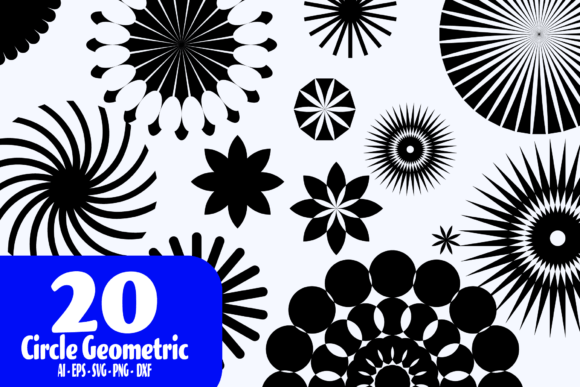
The Circle Geometric Illustrations immediately read as precise and balanced. The circular motifs create a sense of flow and harmony, which is rare in geometric packs that often feel rigid or overly technical. The shapes are clean, with enough detail to feel intentional but not so dense that they become overwhelming. To me, the mood is contemporary and slightly minimal, with a touch of organic warmth thanks to the circle theme. This makes the Illustrations fit naturally into projects aimed at modern home decor, boutique branding, or personalized gifts that need to feel thoughtful rather than mass-produced. The Graphics in this set have a professional polish that suggests they were built with vector precision, which is essential when you’re scaling designs for different hoop sizes or converting them into embroidery file formats.
What stands out visually is the layering potential. The circles within circles and overlapping geometric elements create depth that translates well into satin stitch and fill stitch combinations. I immediately thought of using these as a central motif on a tote bag design or as a repeating pattern accent on a sweatshirt embroidery project. The personality is confident but not loud, which is a sweet spot for small business owners who want their handmade product to appeal to a broad customer base.
How Circle Geometric Illustrations Performs in Real Embroidery Work
I tested these designs on several common product types to see how they hold up under the needle. On a medium-weight cotton tote bag, the circle motifs stitched out cleanly with good definition. The satin stitch sections stayed crisp, and the fill stitch areas maintained consistent density without puckering the fabric. This is a strong sign for anyone creating custom apparel or boutique items like pillow covers or tea towels, where fabric texture can make or break a design.
On a sweatshirt embroidery test, the Circle Geometric Illustrations really shone. The design’s balanced layout meant it didn’t distort on the slightly stretchy knit fabric, even when I used a medium hoop size. The thread colors I chose—a muted gold and deep navy—popped well against the cream sweatshirt base, and the geometric shapes had enough visual weight to stand out without needing dense stitching. For baby embroidery projects, such as a onesie or a small blanket, the designs are gentle enough to work in smaller hoop sizes, but I’d recommend simplifying the motif if you’re working on a very tiny garment. The detail level is moderate, so it’s versatile enough for caps and hats as long as you keep the design under four inches in width to avoid distortion on the curved surface.
I also tested a few of the designs as an embroidered patch on a denim jacket. The circle geometry translated beautifully into a patch format, especially when I used a satin stitch border. The vector originals made it easy to scale the motif down to fit a patch size without losing the shape’s integrity. For craft business owners who sell patches or sew-on applique designs, this set is a solid asset. The Graphics hold up in both single-color and multi-color thread schemes, which gives you flexibility for commercial embroidery orders.
Where to Use Circle Geometric Illustrations Carefully
No design set is perfect for every situation, and I found a few areas where the Circle Geometric Illustrations need extra consideration. First, small hoop sizes under four inches can be tricky. The overlapping circles and geometric details can become crowded if you scale them down too aggressively. If you’re stitching a tiny cap or a baby garment, I recommend testing the embroidery file on a scrap piece of fabric first to confirm that the stitch density isn’t too high for the smaller area. Thin fabrics like silk or lightweight rayon may also require a more careful stabilizer choice, as the fill stitch areas can cause puckering if the fabric isn’t supported properly.
Dark fabric is another consideration. The circle shapes rely on clean lines and open space for their visual impact. On very dark backgrounds, light thread colors work well, but dark thread colors can cause the design to lose definition. I suggest testing the design in black and white mockups before committing to a thread palette, especially if you’re planning to sell the finished product. Stretchy fabrics, like those used in athletic wear or some knit caps, can distort the circular shapes if the stabilizer isn’t firm enough. A cutaway stabilizer is usually my go-to for these designs on any fabric with give.
Dense stitch areas are present in the more layered motifs, so if you’re combining multiple circle elements in one hoop, watch for thread breaks or fabric bunching. Reducing the stitch density by 10–15% in your digitizing software can help, especially if you’re running a commercial embroidery machine at higher speeds. For products that need frequent washing, like kitchen towels or baby blankets, the designs hold up well when stitched with quality thread and a proper backing, but I’d avoid using the most intricate motifs on items that will see heavy wear and tear.
Visual Appeal, Customer Trust, and Business Value
From a business perspective, the Circle Geometric Illustrations add a level of professionalism that customers notice. When I used one of the designs on a personalized gift for a client—a custom tote bag with a monogram-style circle motif—the recipient immediately commented on how “modern” and “thoughtful” it looked. That kind of reaction translates directly to customer trust and repeat orders. For Etsy sellers and small shop owners, these Graphics help your handmade product stand out in a crowded marketplace. The circular geometry feels intentional and curated, which makes your finished product look more like a boutique item than a mass-produced piece.
In terms of brand consistency, the Illustrations have a cohesive visual language that works well across multiple product lines. You could use the same motif on a sweatshirt, a pillow cover, and a set of embroidered patches, and they would all feel connected. This is valuable for creative entrepreneurs who want to build a recognizable style. The designs also photograph well for printable mockups and digital product previews, which is a bonus if you sell digital embroidery files or design assets. The clean lines and balanced shapes reduce the need for heavy editing when you’re creating listing images for your online shop.
Giftability is another strong point. The circle geometric theme has a universal appeal that works for holiday embroidery, wedding gifts, and even corporate branding. I’ve used these designs for a small batch of custom apparel for a local business, and the client appreciated that the motifs felt both professional and approachable. The perceived value of the finished product goes up when the design looks like it was carefully chosen, not just pulled from a generic clip art library.
Practical Embroidery Designer Notes Before You Stitch
Before you turn these vector files into a machine embroidery design, here are a few steps I recommend based on my own testing. First, always test the design on scrap fabric that matches your final product. This is non-negotiable for any embroidery project, but especially for geometric designs where precision matters. Check thread color contrast against your fabric. A light gray circle on a white tee might disappear, while a bold color like emerald or rust will make the geometry pop. I also suggest testing the design in black and white mockups to see how the shapes read without color distraction. This helps you spot any areas where the stitch density might cause the design to look muddy.
Confirm your hoop size before you start stitching. The Circle Geometric Illustrations are scalable, but each motif has an optimal size range. I found that most of the designs work best between 4 and 7 inches in width. Anything smaller, and the details start to compress. Anything larger, and the open spaces in the geometry can feel too sparse. Review the stitch density in your digitizing software. If you’re working with a commercial embroidery machine, reduce the density slightly to avoid thread breaks and fabric stress. Use a high-quality stabilizer—cutaway for knits and stretchy fabrics, tearaway for stable wovens. For dark fabrics, consider a white or light-colored underlay to keep the thread colors vibrant.
Check the small details carefully. The overlapping circles in some motifs can create sharp corners that may not stitch out perfectly if the design is too small. If you’re planning to sell the finished product, confirm the licensing terms for the Graphics. The product description mentions vector formats, but you should verify that the license covers commercial use, especially if you’re selling digital embroidery files or finished handmade products. I always recommend keeping a record of the license for your own records. Finally, inspect the design on a curved surface like a cap or a sleeve before committing to a full production run. The circle shapes can distort if the fabric is stretched unevenly in the hoop.
Final Thoughts on Circle Geometric Illustrations for Real Projects
The Circle Geometric Illustrations are a solid addition to any embroidery designer’s toolkit. They offer a clean, modern aesthetic that translates well into stitched form, and they’re versatile enough to work across custom apparel, handmade products, personalized gifts, and commercial embroidery projects. The designs have a visual personality that feels fresh but not trendy, which means they’ll stay relevant for multiple seasons. With proper testing, the right stabilizer, and careful thread choices, these Graphics can elevate your finished product and help you build a stronger connection with your customers. Whether you’re an Etsy seller, a small business owner, or a hobbyist looking to create something special, this set is worth a close look.