Kawaii Cute Fork Illustrations: Graphics & Illustrations for Sellers
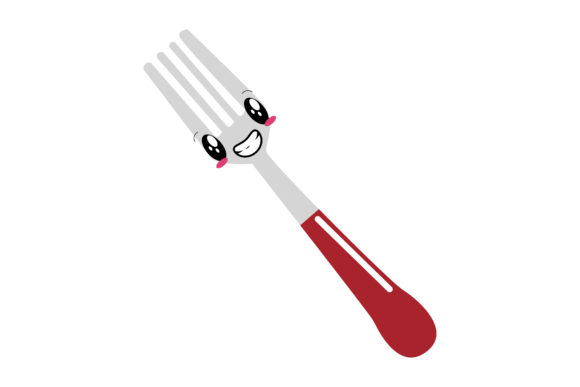
When I first opened the Kawaii Cute Fork Illustrations file, I was looking for a graphic design asset that could add a playful but polished touch to a new product line I was planning for my Etsy shop. I had been testing several food-themed illustration sets for a spring collection, but most felt either too generic or too childish for the kind of commercial design work I wanted to offer. This set landed somewhere between whimsical and usable, which caught my attention immediately. As someone who has been selling digital products and printable designs for years, I have learned that the best assets are the ones that feel like they already belong in a real product listing. The Kawaii Cute Fork Illustrations definitely carry that energy.
The mood of this collection is light, friendly, and approachable without being overly cutesy in a way that limits its audience. The illustrations have a clean vector quality that makes them suitable for a wide range of commercial projects. The visual personality leans toward playful but still professional enough for small business branding, packaging design, and social media graphics. I could see these working well for a food blogger who needs consistent visual hierarchy across their posts, or for a handmade business selling kitchen-themed merchandise. The fork illustrations feel like they belong in a modern, cheerful brand identity rather than a kids-only craft project, which is a distinction I value when choosing design assets for my shop.
First Impressions and Niche Appeal
I tested the Kawaii Cute Fork Illustrations by placing them into a few quick mockups for a potential product bundle. The first thing I noticed was how well the vector files held up when resized for different formats. The file is described as openable, editable, and resizable without losing quality, and that held true in my tests. I scaled the illustrations down for a small sticker design and up for a tote bag print, and the edges stayed crisp. That kind of flexibility is essential when you are preparing multiple product variations for a single release. The illustrations also work well on both light and dark backgrounds, though I found they really pop on softer pastel tones and clean white surfaces. The contrast is good enough for sublimation designs and printable wall art, but I would be careful using them on very dark or busy backgrounds where the fine details might get lost.
From a niche perspective, this asset appeals to a specific but active audience. Buyers who search for cute food illustrations on Creative Fabrica or similar creative marketplaces tend to be crafters, Cricut users, and print-on-demand sellers looking for themed clipart. The fork motif is practical enough to fit into broader kitchen and dining collections, while the kawaii style gives it a distinct personality. I could see this being used in planner stickers, greeting card templates, and even as part of a larger design bundle for food bloggers or small cafe owners. The key is that the asset feels intentional rather than random, which helps when you are building a cohesive brand identity around it.
Testing the Asset Across Real Product Scenarios
I ran the Kawaii Cute Fork Illustrations through several product scenarios that I typically prepare before launching a new collection. Here is what I found in each category:
SVG and PNG Designs for Digital Downloads
The vector format means the illustrations can be exported as SVG or PNG with clean transparency. I tested the SVG cut quality on a Cricut project, and the paths were smooth enough for cutting vinyl for a mug design. The PNG versions worked well for printable designs like sticker sheets and sublimation prints. If you are selling SVG designs or clipart bundles on Etsy or Creative Fabrica, this set gives you a solid base for creating multiple product variations. The fork illustrations are simple enough to cut cleanly but detailed enough to look like a premium commercial design asset.
T-Shirt and Merchandise Graphics
I placed the illustrations onto a t-shirt mockup to see how they would read as a standalone graphic. The scale works well for a centered chest print or a small left chest logo. The playful style could appeal to customers looking for food-themed apparel, especially for kids or casual everyday wear. If you are selling print-on-demand products through Shopify or a POD platform, the Kawaii Cute Fork Illustrations could be used as a repeatable design element across multiple products like tote bags, aprons, and tumbler wraps. The key is to pair them with a clean sans serif font or a handwritten font to keep the overall look balanced and not too busy.
Canva Templates and Social Media Graphics
Because the illustrations are vector files, they can be imported into Canva for use in templates. I created a simple social media post for a fictional food brand, and the fork illustrations added a friendly, approachable feel. They work well as decorative elements around text or as part of a larger layout. If you are a Canva template seller, this asset could be used in recipe cards, menu templates, or promotional graphics for small businesses. The illustrations are not overly complex, so they fit nicely into clean layouts without overwhelming the visual hierarchy.
Printable Products and Stationery
I tested the illustrations in a printable wall art layout and a greeting card template. The vector resolution allowed me to print at a decent size without pixelation. For a planner sticker set, I scaled the forks down to about half an inch, and the details remained readable. However, I would caution against using them at very small sizes for intricate cutting projects, as the finer elements might lose definition on a Cricut or Silhouette machine. For most printable products like art prints, cards, and stickers, the illustrations perform well and look professional.
Where the Asset Shines and Where to Be Cautious
The Kawaii Cute Fork Illustrations work best in product previews where the design can be seen clearly. For example, as a featured element in a mockup for a mug design or a tote bag, the illustrations immediately communicate the theme and mood. They also work well in themed bundles where you pair them with other food-related graphics. If you are building a seasonal collection for spring or summer, these forks could fit into picnic or brunch-themed products. The illustrations are also strong in product presentation because they add a handmade, decorative quality that builds trust and perceived value in a listing.
However, there are a few scenarios where this asset should be used carefully. The illustrations are not ideal for tiny sticker details or extremely small product elements where the fork shape might become unrecognizable. They also do not work well in overly complex layouts where the design competes with too many other elements. On dark backgrounds, the contrast is adequate but not striking, so I would test your specific color combinations before publishing. For text-heavy templates like recipe cards, the illustrations should be used as accent pieces rather than the main focal point, especially if you are layering them over a busy background or patterned paper.
Practical Seller Notes Before Publishing
Before you list any product using the Kawaii Cute Fork Illustrations, there are a few checks I recommend based on my own experience. First, test the design on real mockups, not just on your screen. I always preview my assets as a marketplace thumbnail to see how they read at a small size. If the illustration looks cluttered or unclear when scaled down, I adjust the layout or choose a different asset for that product. Second, check the colors on both white and dark backgrounds. The vector files are easy to recolor, so you can adapt the palette to match your brand or collection theme. Third, confirm the commercial licensing before selling finished products. Most marketplaces include a standard commercial license, but it is always worth double-checking, especially if you plan to sell on multiple platforms.
When organizing your files for customers, keep the vector files clearly labeled and include a simple preview image. I also recommend adding a small guide or suggestions for font pairings. For the Kawaii Cute Fork Illustrations, I found that a clean sans serif font like Montserrat or a playful handwritten font like Amatic SC worked well. A serif font could also work for a more rustic or elegant look, but I would avoid anything too ornate that clashes with the simple, friendly style of the illustrations. The goal is to help your customers see the potential of the asset and feel confident using it in their own projects.
Supporting a Professional Product Collection
Using the Kawaii Cute Fork Illustrations as part of a larger design bundle or a themed product line can help create a sense of brand consistency across your shop. When customers see multiple products using the same illustration style, it builds trust and makes your shop feel more curated. This is especially important for small business owners and creative entrepreneurs who are building a brand identity around a specific aesthetic. The illustrations can be used in packaging design, social media graphics, and even promotional materials, giving your entire product line a cohesive look. I have seen many sellers succeed by creating a consistent visual language across their products, and a well-chosen graphic design asset like this one can be the foundation of that effort.
For print-on-demand sellers, the illustrations can be applied to a wide range of merchandise, from t-shirts and hoodies to tote bags and home decor. The vector format makes it easy to adapt the design for different product sizes and orientations. If you are using the illustrations on a platform like Printful or Printify, I recommend creating a few variations of each product to see which placement and scale work best. The fork illustrations are versatile enough to be used as a standalone design or as part of a larger composition, so test different options before publishing your listings.
Final Thoughts on the Asset
The Kawaii Cute Fork Illustrations are a practical and appealing graphic design asset for digital sellers who need a playful but professional illustration set for commercial projects. The vector files are openable, editable, and resizable without losing quality, which makes them suitable for a wide range of products including SVG designs, PNG designs, clipart bundles, sublimation designs, printable wall art, planner stickers, greeting cards, t-shirt graphics, mug designs, tote bag prints, and Canva templates. The illustrations work best in clean, well-lit product previews and themed collections, and they should be used carefully in very small formats or on low-contrast backgrounds. With proper testing and thoughtful presentation, this asset can help you build a more professional-looking online product collection that resonates with buyers looking for cute, food-themed commercial design assets.