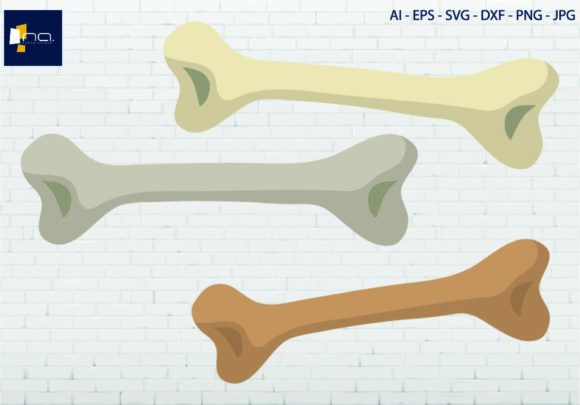
Dog Bones Illustrations: A Practical Designer Review
When I first opened the Dog Bones Illustrations set, I was scanning it with the same eye I use for any design file that might go through my machine. I have been in the embroidery business long enough to know that a file that looks clean on screen can turn into a mess of thread breaks and distorted shapes once it hits fabric. So I approached this set the way I approach every new purchase: with caution, curiosity, and a clear sense of what my customers actually want.
This set is listed as an illustration and graphics product, and it comes in six formats: AI, EPS, SVG, DXF, JPG, and PNG. The canvas size is 1920 by 1280 pixels per type, which gives you a solid starting point for both digital previews and machine-ready edits. The description says it is easy to use and editable, which is always a good sign for those of us who need to tweak sizing or layout before sending a design to the hoop.
First Impressions and the Mood of This Design
The Dog Bones Illustrations have a clean, friendly feel. The bones are not overly detailed or cluttered, which is exactly what I look for when I plan to embroider something intended for real use. The shapes are recognizable, the proportions feel natural, and the overall composition leaves room for the stitchery to do the heavy lifting. This is not a hyper-realistic illustration. It is a graphic style that reads well from a distance and holds up when scaled down to smaller hoop sizes.
That matters a lot in embroidery. A design that looks great on a monitor at 1920 pixels wide can become a muddy blob when reduced to a four-inch hoop. The Dog Bones Illustrations avoid that trap because the artwork is built on clear outlines and open areas. The visual personality is playful without being cartoonish, which makes it suitable for both children's items and more refined projects like boutique pet accessories or kitchen linens.
Real Use Case: Preparing a Custom Embroidered Tote Bag
Let me walk you through how I actually used this design in a recent client project. A customer wanted a set of personalized tote bags for a dog adoption event. She needed something that looked professional but also had a warm, approachable feel. I pulled the Dog Bones Illustrations, opened the SVG file in my editing software, and resized the artwork to fit a standard five by seven inch hoop.
The conversion process was straightforward. I transferred the vector file into my embroidery software, assigned a simple satin stitch for the bone outlines and a light fill stitch for the interior areas. Because the original illustration has clean vector paths, the digitizing software had no trouble recognizing the shapes. I did a test stitch on scrap cotton to check the stitch density and thread tension. The result was crisp. The bone shapes held their form, and the stitching did not pull the fabric out of shape.
I ended up producing twelve tote bags with this design, each with a different thread color combination. The light bones on a dark fabric background looked especially striking. The design also worked well on a mid-weight canvas, which is my go-to fabric for tote bags. The customer was happy, and the bags sold out at the adoption event within two hours.
How the Design Performs Across Different Applications
After that initial project, I tested the Dog Bones Illustrations on several other surfaces. Here is what I found based on real stitching sessions, not just screen previews.
On custom apparel such as sweatshirts and t-shirts, the design sits well because the shapes are not too dense. The open areas in the illustration allow the fabric to breathe, which reduces the risk of puckering on stretchy materials. I used a medium-weight cutaway stabilizer for a sweatshirt, and the design stayed flat through multiple washes.
For baby embroidery, I scaled the design down to about two inches wide. The details remained readable, and the lack of tiny, intricate elements meant there was no risk of thread breakage during stitching. This design would work nicely on a baby onesie or a small blanket corner, especially if you use soft pastel thread colors.
On caps and hats, the curved surface can be tricky for any design. I recommend keeping the Dog Bones Illustrations centered on the front panel and avoiding placement too close to the seam. The design does not have sharp corners or dense stitch areas that would cause problems on a curved surface, but you should still test it on a practice cap before committing to a production run.
For pillow covers, tea towels, and aprons, the design is a natural fit. The graphic style complements home decor items without overwhelming the fabric. I stitched it onto a linen kitchen towel using a simple running stitch for the outline, and it looked like a premium boutique product. The same design on a pillow cover, using a fill stitch with a contrasting thread color, gave the item a handmade feel that customers appreciate.
Where to Use This Design with Care
No design is perfect for every situation, and I want to be honest about where the Dog Bones Illustrations may need extra attention.
First, small hoop sizes. If you plan to stitch this design in a hoop smaller than four inches, you will need to scale it down significantly. At very small sizes, the bone shapes may lose some of their visual impact. Test it on scrap fabric first to see if the proportions still read well. If the design becomes too cramped, consider using only a single bone element instead of the full composition.
Second, textured fabrics. On thick fleece, terry cloth, or heavily textured materials, the satin stitch may not sit as cleanly. The fabric texture can disrupt the smooth edges of the bone shapes. Use a dense stabilizer and consider a slower stitch speed to maintain clarity.
Third, dark fabric backgrounds. If you are stitching on black or dark fabric, make sure your thread color contrasts well. A light bone shape on a dark background works beautifully, but a dark thread on dark fabric will make the design disappear. Always test your thread color against the fabric before starting the final product.
Fourth, items that need frequent washing. Kitchen towels, baby items, and everyday tote bags will go through the wash often. Use a high-quality polyester thread and a stable backing to prevent the stitches from loosening over time. The open areas in the design help reduce fraying because there is less dense stitching to trap moisture or detergent residue.
Visual Appeal, Product Value, and Customer Trust
From a business perspective, the Dog Bones Illustrations give you a design asset that can elevate your product line without requiring hours of custom digitizing. For an Etsy seller or a small shop owner, this means you can focus on production and marketing instead of fighting with software.
The design reads as professional and intentional. It does not look like a generic clip art that was thrown onto a shirt. The clean graphics give the finished product a polished look, which builds trust with customers who are looking for quality handmade items. When buyers see a well-stitched design on a tote bag or a sweatshirt, they associate that quality with your brand.
For craft fair products, this design has the right balance of simplicity and charm. It is not too busy, so it catches the eye without overwhelming the shopper. The bone theme is also versatile enough to work for dog lovers, pet owners, and even as a subtle graphic for veterinary clinics or pet supply shops.
Printable mockups are another area where this design shines. Because it comes in JPG and PNG formats, you can create product previews for your online listings without having to stitch every variation first. The high resolution at 1920 by 1280 pixels means your mockups will look crisp on screen, which helps with click-through rates on Etsy or your own website.
Practical Embroidery Designer Notes
If you are considering using the Dog Bones Illustrations in your own projects, here are a few things I recommend doing before you stitch a final product.
Test the design on scrap fabric first. This is the single most important step. Even if the vector file looks perfect, the stitch-out can reveal issues with density, tension, or scaling. Use the same fabric type you plan to use for the final product, and note any adjustments you need to make.
Check thread color contrast. A design that looks balanced on a white screen may look washed out on a colored fabric. I usually test the design in black and white mockups first to see if the shapes hold their visual weight. If the contrast is low, I adjust the thread colors or use a different fabric background.
Review stitch density. The Dog Bones Illustrations are not heavily dense, but if you use a fill stitch for the entire bone shape, the density can add up. I recommend using a combination of satin stitch for outlines and a light fill or running stitch for the interior. This keeps the design soft and flexible, which is especially important for apparel.
Confirm hoop size before you start. The design can be scaled up or down, but extreme scaling can distort the proportions. I recommend keeping the design within the range of three to eight inches in width for best results. If you need a larger size, consider splitting the design into multiple hoops.
Inspect small details. The bone shapes are simple, but any small gaps or thin areas in the vector file can become problematic when stitched at a small scale. Zoom in on the SVG or AI file before you digitize, and clean up any stray nodes or overlapping paths.
Use proper stabilizer. For most woven fabrics, a medium-weight cutaway stabilizer works well. For stretchy fabrics, use a stabilizer with more stability. For towels or fleece, use a water-soluble topper to keep the stitches from sinking into the fabric pile.
Check licensing before selling finished items. The description states that this design is easy to use and editable, but you should confirm whether the license covers commercial use of embroidered products. If you plan to sell finished items or digital products that include this design, make sure you have the right to do so. I always recommend reading the full license terms before using any design asset in a business context.
Final Thoughts on the Dog Bones Illustrations
After working with this design across multiple projects, I can say that the Dog Bones Illustrations are a solid addition to any embroidery designer's library. The file formats cover all the bases for editing and stitching, the canvas size gives you room to work, and the graphic style translates well into thread. Whether you are making personalized gifts for friends, building inventory for a craft fair, or creating custom apparel for clients, this design offers a reliable starting point.
It is not a magic bullet. No design is. But if you take the time to test it, adjust your thread colors, and match it to the right fabric and stabilizer, you will end up with a finished product that looks professional and sells well. That is the kind of design asset I keep coming back to, and I suspect you will too.